Teeth Grinding vs Teeth Clenching: How to Identify and Treat Each Condition
Teeth grinding and clenching are two frequent dental disorders that, if not addressed, can cause substantial discomfort and long-term damage. While they may appear identical, recognising the distinctions between these disorders is critical for successful management. In this article, we will look at how to diagnose teeth grinding and clenching, as well as the reasons and treatment options for grinding or clenching teeth. By distinguishing between the two, you may take preventative measures to safeguard your oral health and improve your quality of life.
Understanding Teeth Grinding (Bruxism)
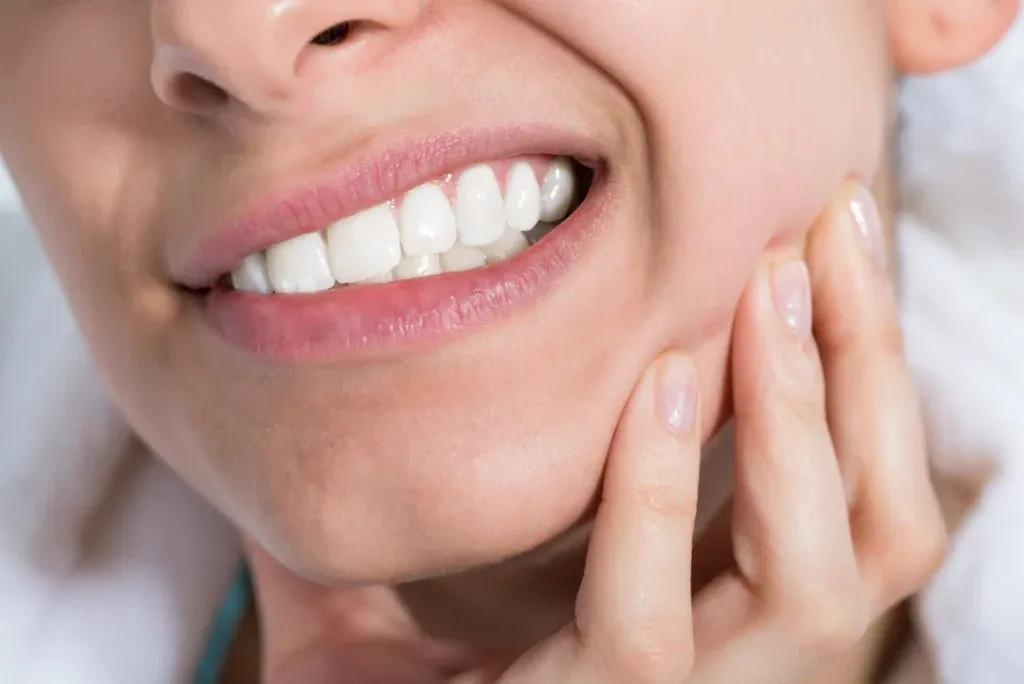
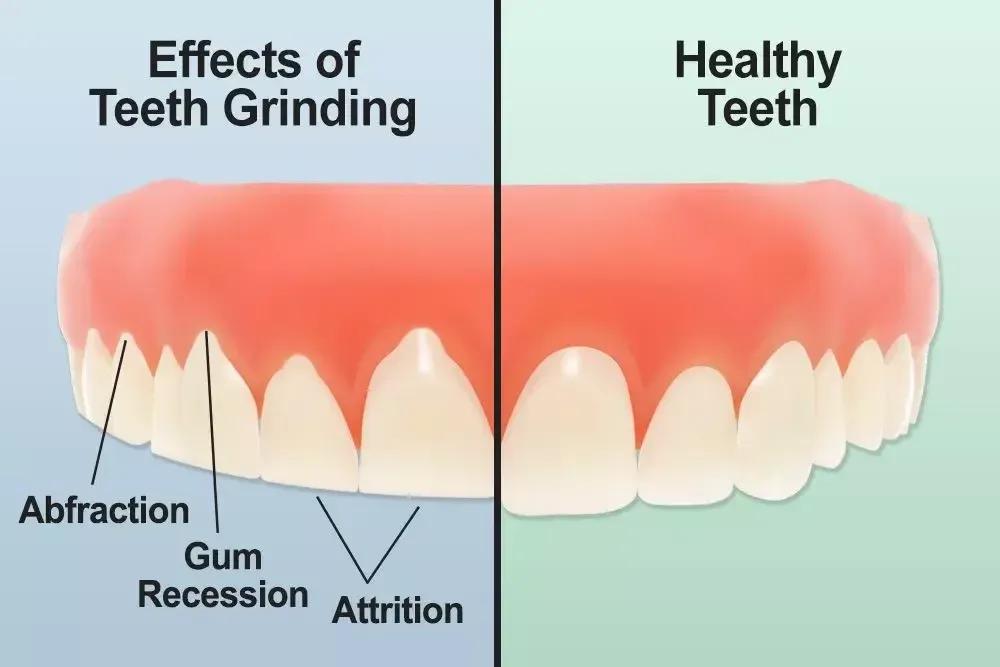
Teeth grinding, or bruxism is a disorder in which people involuntarily grind their teeth, usually when sleeping. This repeated movement can cause a variety of dental problems, including worn-down enamel, increased tooth sensitivity, and jaw discomfort. Bruxism can be caused by stress, anxiety, misaligned teeth, or other circumstances. If not addressed, it can cause severe damage to your teeth and jaw. Recognising and treating bruxism is critical to preserving oral health and avoiding future issues.
Teeth clenching is the process of tightly forcing the upper and lower teeth together, frequently without the grinding action found in bruxism. Unlike grinding, which wears down the teeth with repeated movement, clenching applies continual pressure to the teeth and jaw. This can cause jaw discomfort, migraines, and long-term tooth damage. Clenching is a common stress or anxiety response that can occur at any time of day or night. Identifying clenching early is critical for avoiding long-term dental problems. Professional treatments for clenching jaws are available from Geelong West Bright Smiles Dental.
Medical conditions (e.g., temporomandibular joint disorder)
Symptoms:
Jaw soreness, especially in the morning
Increased tooth sensitivity
Tension headaches
Wear on teeth (less severe than grinding)
Risks of Untreated Clenching:
Jaw muscle hypertrophy
Increased risk of TMJ disorders
Potential damage to dental work (e.g., crowns, fillings)
Key Differences Between Teeth Grinding and Teeth Clenching
The primary distinction between grinding or clenching teeth is the nature of the activity and its effects on the teeth and jaw. Teeth grinding, also known as bruxism, is the repeated movement of teeth against one another, which causes worn enamel, dental sensitivity, and probable fractures. It’s a dynamic process that usually happens during sleep. Teeth clenching, on the other hand, includes applying steady, severe pressure to the teeth without moving them from side to side. Clenching can produce jaw discomfort, headaches, and increased tooth stress, although it does not generate the same level of abrasion as grinding. Besides, you can go for a teeth-clenching treatment to solve the issue.
Symptoms Overlap and Differences:
Similarities: Jaw pain, headaches, tooth wear
Differences: Grinding usually involves more tooth damage, and clenching leads to more muscle pain.
When They Occur:
Grinding: Often during sleep
Clenching: This can occur during the day or night
How to Identify if You’re Grinding or Clenching Your Teeth
Self-Assessment Techniques
Self-assessment procedures might help you identify whether you grind or clench your teeth. Begin by looking for typical symptoms such as jaw discomfort, headaches, and worn-down teeth. Check your jaw in the morning to see whether it feels rigid or uncomfortable, which might signify grinding or clenching teeth while sleeping.
You may also question your partner whether they hear grinding noises at night. Pay attention to stressful situations during the day; clenching is a hallmark of daytime bruxism. Recognising these patterns is the first step towards finding suitable treatment.
Monitor your symptoms (pain, sensitivity)
Pay attention to your habits (daytime clenching)
Note any signs of tooth wear
Professional Diagnosis
Professional diagnosis is essential for precisely determining whether you are grinding or clenching your teeth. A dentist in Geelong West Bright Smiles Dental can check your teeth for evidence of wear, fractures, or enamel loss, all of which indicate grinding. They may also check your jaw muscles for pain or enlargement, which is frequent with clenching.
In rare circumstances, your dentist may prescribe a sleep study to monitor overnight behaviours. By detecting the disease early, a dentist can provide suitable treatments, including mouthguards or stress management strategies, to avoid future damage and relieve symptoms.
Dental examination for wear patterns
Use of bite strips or wear monitors
Sleep studies to detect nocturnal bruxism
Effective Treatments for Teeth Grinding
Behavioural Treatments
Behavioural therapies are useful in reducing teeth grinding because they address the underlying reasons, such as stress or worry. Stress management, relaxation exercises, and cognitive-behavioural therapy (CBT) can help lessen the frequency of grinding. These therapies, which change behaviours and reduce stress, can considerably reduce teeth-grinding episodes.
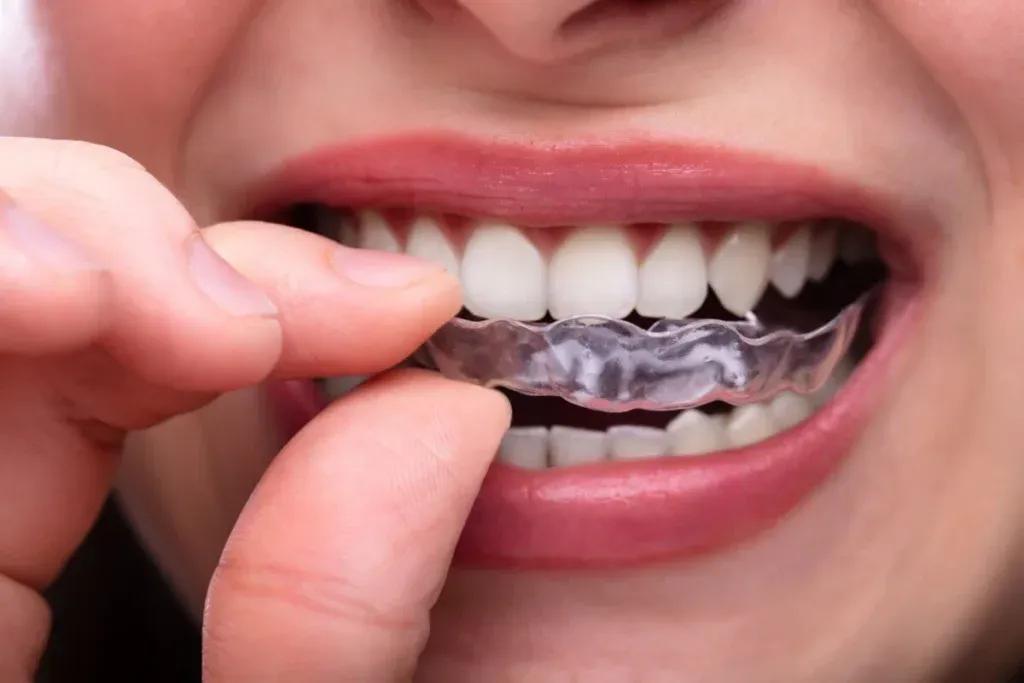
Dental treatments are essential for treating teeth grinding because they protect teeth from harm. Custom-fitted mouthguards or splints, worn at night, form a barrier between the teeth, decreasing the impact of grinding. In extreme situations, dental repairs such as correcting the bite or fixing damaged teeth may be required to avoid additional difficulties. Some dental interventions that can help are:
Custom-fitted night guards
Dental corrections for misaligned bites
Medical Treatments
Medical treatments can successfully treat tooth grinding, particularly when it is associated with underlying disorders. Muscle relaxants can be used to diminish jaw muscle activation and avoid grinding. In circumstances when stress or worry causes grinding, doctors may prescribe medication to assist in relieving symptoms and safeguard oral health. The most common medical solutions are:
Muscle relaxants
Botox injections to reduce muscle activity
Lifestyle Changes
By addressing the underlying causes, lifestyle adjustments can drastically reduce tooth grinding. Lowering coffee and alcohol consumption, keeping a regular sleep schedule, and practising relaxation techniques such as yoga or meditation can all help to reduce stress. Avoiding gum chewing and being aware of jaw strain throughout the day can also assist in preventing grinding. A few lifestyle changes that you can try are:
Reducing caffeine and alcohol intake
Improving sleep hygiene
Effective Solutions for Teeth Clenching
Stress Reduction Strategies
Mindfulness and meditation
Physical relaxation techniques (e.g., massages)
Dental Solutions
Night guards or bite splints
Adjustments to dental work (if necessary)
Medical Interventions
Botox injections for severe cases
Anti-anxiety medications (if related to stress)
Habit Modification
Awareness techniques to reduce daytime clenching
Biofeedback devices to train the jaw muscles
Preventing Teeth Grinding and Clenching
To prevent grinding or clenching teeth, manage stress, practise proper sleep hygiene, and avoid practices that strain the jaw, such as gum chewing. Using relaxation methods, wearing a nightguard, and reducing coffee and alcohol use can all assist. Regular dental check-ups allow for early identification, prompt action, and the prevention of long-term harm.
Preventative Tips:
Regular dental check-ups
Creating a relaxing bedtime routine
Avoiding hard foods that stress the jaw
Long-Term Strategies:
Ongoing stress management
Monitoring and adjusting treatment as needed
When to See a Dentist or Specialist
If you have recurrent jaw discomfort, headaches, or tooth sensitivity, or if your teeth show symptoms of wear, you should consult a dentist in Geelong West Bright Smiles Dental. Early action is critical to avoid additional harm. If self-care techniques do not work, a professional can identify the problem and suggest relevant solutions.
Signs It’s Time to Seek Professional Help
Persistent pain or discomfort
Noticeable wear on teeth
Ineffectiveness of over-the-counter solutions
What to Expect from a Consultation
Diagnostic tests (e.g., x-rays, wear analysis)
Discussion of treatment options
Lastly
Understanding the distinctions between grinding and clenching teeth is critical for successful therapy. While both can cause serious oral problems, understanding their specific signs and symptoms enables tailored care techniques. Geelong West Bright Smiles Dental provides excellent dental solutions for clenching or grinding issues in your teeth. Contact us to get the desired treatment.
We acknowledge the Wadawurrung People as the Traditional Owners of the Land, Waterways and Skies. We pay our respects to their Elders, past, present and emerging. We acknowledge all Aboriginal and Torres Strait Islander people who are part of our community today.